Watercolor Cacti, Watercolor Succulent Illustrations
As a designer with years of experience in branding, packaging, and digital marketing, I’ve come across countless design assets. Watercolor Cacti, Watercolor Succulent stands out for its soft, organic aesthetic that feels both modern and nostalgic. This set of illustrations brings a touch of warmth and playfulness to any project, making it a versatile addition to a designer’s toolkit.
First Impressions: A Warm, Playful Mood
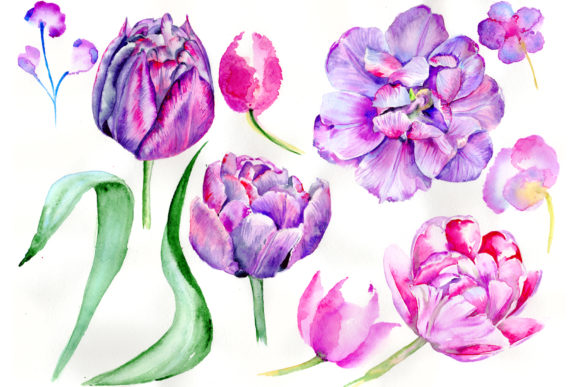
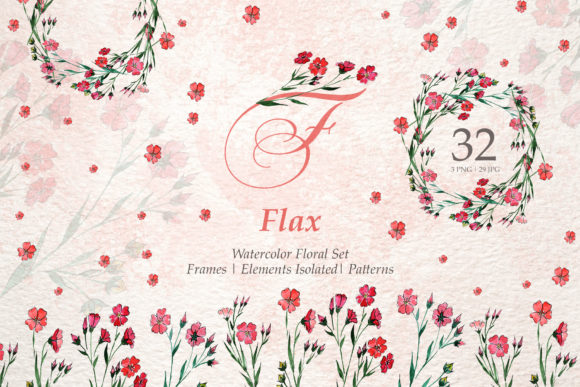
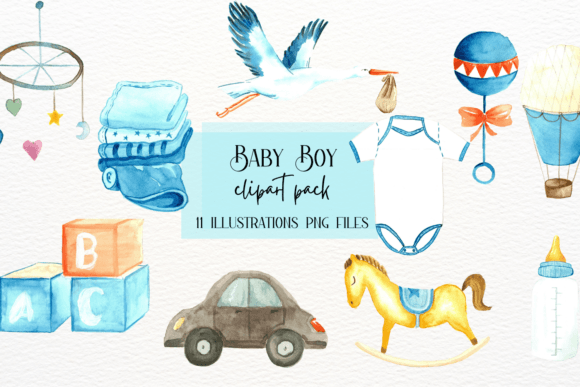
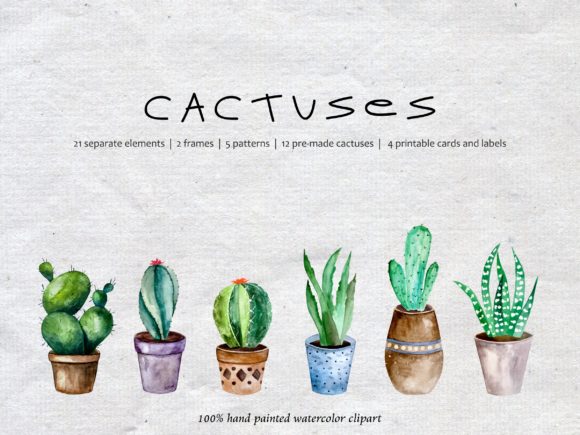
The first thing that catches the eye is the gentle watercolor texture. Each cactus and succulent is rendered with subtle shading and delicate lines, creating a handcrafted feel. The color palette leans toward earthy tones—soft greens, warm yellows, and muted pinks—that evoke a sense of calm and creativity. This style naturally fits projects aimed at eco-conscious brands, handmade businesses, or seasonal campaigns with a nature-inspired theme.
These illustrations are ideal for clients looking to add a personal, artisanal touch to their visual identity. They work well in designs that prioritize emotion over strict minimalism, helping to build a more approachable and relatable brand image.
Real-World Applications: From Packaging to Social Media
In a recent project for a small, eco-friendly stationery brand, I used Watercolor Cacti, Watercolor Succulent to create a series of product labels and packaging inserts. The illustrations added a unique character that differentiated the brand from competitors while maintaining a cohesive visual language. Their soft edges and organic shapes complemented the brand’s commitment to sustainability and handmade quality.
For social media graphics, these illustrations serve as excellent background elements or decorative accents. They can be layered with text to create engaging Instagram posts, Pinterest pins, or Canva templates. Their versatility makes them a valuable graphic design asset for content creators and bloggers who want to maintain a consistent aesthetic across platforms.
When used in t-shirt design or merchandise, Watercolor Cacti, Watercolor Succulent adds a whimsical element that appeals to a wide audience. They also work well as sticker designs or printable wall art, especially for DIY enthusiasts and Cricut users looking for creative inspiration.
Best Uses: Large Layouts and Themed Collections
Watercolor Cacti, Watercolor Succulent shines when used in large layout areas such as hero graphics, product mockups, or editorial spreads. Their size and detail allow them to command attention without overwhelming the composition. They’re perfect for themed collections, like summer campaigns or botanical-themed marketing materials.
These illustrations also make strong supporting elements in packaging design, where they can be used as decorative accents on boxes, bags, or labels. In print-on-demand projects, they offer a fresh alternative to generic clipart, helping to elevate the visual appeal of digital products and printed items alike.
Caution Areas: Minimalist Branding and Professional Materials
While these illustrations are beautiful, they may not be the best fit for minimalist branding or professional corporate materials. Their soft, fluid lines can clash with clean, structured layouts that require a strong visual hierarchy. In such cases, they might dilute the clarity of the message rather than enhance it.
Additionally, when placed on complex backgrounds or low-contrast surfaces, the details of the illustrations can become lost. Designers should test them on various color schemes and ensure sufficient contrast for readability. For commercial design projects, it’s important to review the licensing terms to confirm that the asset can be used for client work without legal issues.
Designer Notes: Practical Checks Before Use
Before integrating Watercolor Cacti, Watercolor Succulent into a client project, I always recommend testing the illustrations in black and white. This helps assess how well they hold up without color and whether they maintain their visual interest. It also reveals how they interact with different font styles—whether a serif, sans serif, script, or display font complements the illustration’s mood.
Previewing the illustrations at small and large sizes is essential. At smaller scales, details may fade or lose definition, so it’s important to ensure they remain legible and impactful. When using them in print-on-demand or sublimation design, check the file resolution and transparency settings to avoid quality loss during printing.
If the asset includes SVG or PNG formats, inspect the vector editability and check for transparent backgrounds if needed. These considerations help ensure that the illustrations can be adapted to a wide range of design applications without compromising quality.
Conclusion: A Thoughtful Addition to Your Design Toolkit
Watercolor Cacti, Watercolor Succulent is more than just a set of illustrations—it’s a creative design that can elevate a variety of projects. Whether you’re working on a handmade business branding package, an Etsy product listing, or a seasonal marketing campaign, these illustrations offer a unique and expressive visual language.
By understanding their strengths and limitations, designers can use them effectively to enhance visual storytelling, build emotional connections, and create a more polished final result. As with any design asset, careful consideration of context, scale, and licensing ensures that the final work meets both creative and commercial goals.